Overview
A reverse mortgage lets Canadian homeowners aged 55 and older access up to 55% of their home's value tax-free with no required monthly payments. Interest accrues on the balance, which is repaid when the home is sold or the last borrower leaves. You keep title and ownership of the home throughout.
Jump to Section
Reverse Mortgage Overview
Do you own your home? Have you already built home equity? Are you looking for a non-invasive way to access the value in your home without needing to sell it?
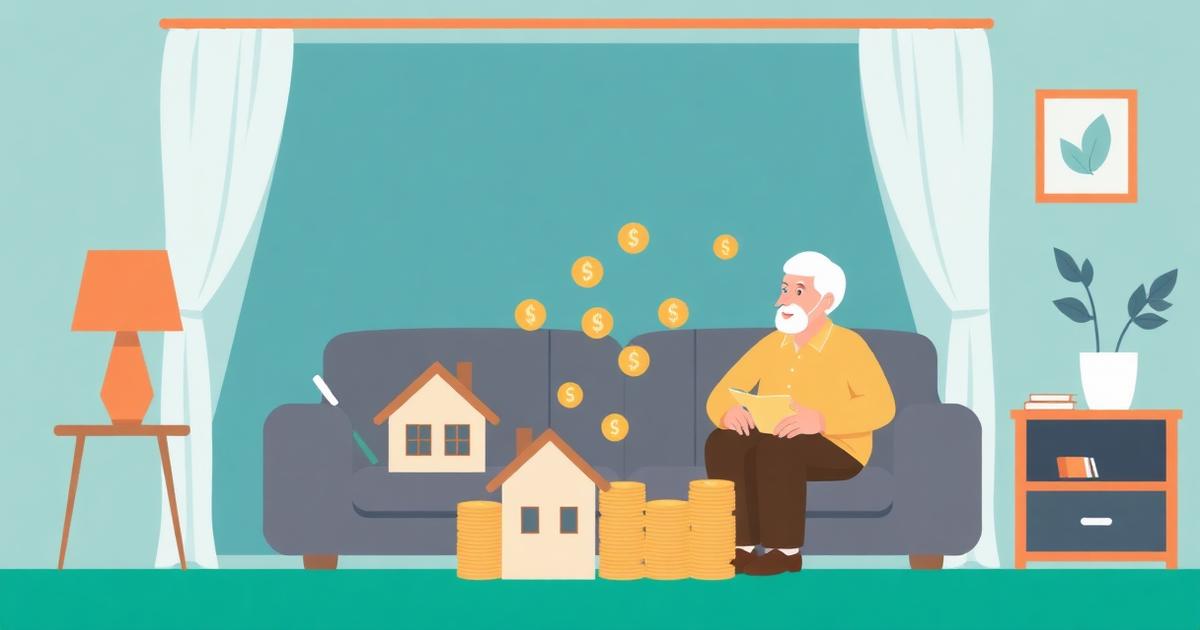
A reverse mortgage (sometimes called "equity release") allows homeowners to receive a loan from the home equity they've already built. Many borrowers use a reverse mortgage to make their retirement more comfortable — whether for opportunities to travel, covering everyday expenses like medications and groceries, or simply enjoying a better quality of life.
A reverse mortgage opens up the opportunity to access tax-free funds with no monthly payments. You maintain home ownership, meaning the title stays in your name and your heirs can still inherit your home.
How Does a Reverse Mortgage Work?
With a reverse mortgage, you are essentially receiving a loan from the equity you've built in your home. You're usually entitled to borrow up to 55% of the current value of your home, with the approved amount depending on:
You can choose to receive your funds as a lump sum, scheduled monthly deposits, or a combination — giving you flexibility in how and when you access your equity.
Repaying Your Reverse Mortgage
A reverse mortgage is a loan secured against the appraised value of your home. You're generally not required to make regular mortgage payments, though you often have the option to repay the interest and principal balance at any time.
The balance on your reverse mortgage needs to be paid back when:
Benefits of a Reverse Mortgage
Every borrower's situation is unique — the following benefits are generalized guidelines:
Important Considerations
It's critical to make informed decisions about a reverse mortgage. While it works brilliantly for some homeowners, it may not be the right fit for everyone:
A licensed mortgage broker will provide an honest, transparent assessment of your situation to determine whether a reverse mortgage is truly the best option — or whether alternative solutions may serve you better.
Eligibility Requirements for a Reverse Mortgage in Canada
To be eligible for a reverse mortgage, common guidelines are that you:
Eligibility criteria may differ by lender — connecting with an experienced licensed mortgage broker ensures you understand your options and whether you qualify.
Using a Reverse Mortgage for Debt Consolidation
Life doesn't always go as planned, and sometimes we find ourselves in less than ideal financial situations. A reverse mortgage can also be used to help pay down a line of credit or consolidate debts.
Other mortgage solutions exist for managing debts as well. A licensed mortgage broker can explore a reverse mortgage alongside other options to help determine the best path to getting you back on track financially.
Real-World Scenario
How a Reverse Mortgage Helped
The following is a fictional scenario that illustrates how this service can make a real difference.
Margaret & Don, 72 & 74 — Retired Homeowners in Victoria, BC
The Situation
Margaret and Don have lived in their Victoria home for over 30 years. Their home is now worth approximately $1.1 million and is fully paid off. While they have modest pension and RRIF income totalling about $4,200 per month combined, rising living costs, unexpected dental expenses, and the desire to help their granddaughter with university tuition were putting a strain on their monthly budget.
The Challenge
The couple explored a Home Equity Line of Credit (HELOC) with their bank, but were told they didn't qualify because their retirement income wasn't high enough to support the required monthly payments. They didn't want to sell the home they'd raised their family in, but they felt stuck — asset-rich and cash-poor with no clear way to access the equity they'd built over decades.
The Solution
After a detailed consultation, I recommended a reverse mortgage as the ideal fit for their situation. Margaret and Don qualified to access $280,000 — roughly 25% of their home's value — tax-free. They chose to receive a lump sum of $80,000 upfront and set up scheduled advances of $2,000 per month to supplement their retirement income. No monthly mortgage payments are required — the balance is simply repaid when they eventually sell or move.
The Outcome
Margaret and Don were able to cover their dental costs, contribute to their granddaughter's education fund, and enjoy a more comfortable retirement — all without selling their beloved family home or taking on monthly payment obligations. The reverse mortgage gave them the financial flexibility they needed while maintaining full ownership of their property.
*This is a fictional scenario for illustrative purposes only and does not represent a real client or actual mortgage application. Individual results and qualification criteria may vary.
Frequently Asked Questions
Do I still own my home with a reverse mortgage?
Yes, you retain full ownership and title of your home. You can continue living there as long as you wish.
When do I repay the reverse mortgage?
The loan is repaid when you sell your home, move out permanently, or the last borrower on title passes away.
Is a reverse mortgage right for me?
It depends on your unique situation. A licensed mortgage broker will provide an unbiased assessment and explore all options to ensure a reverse mortgage truly fits your needs and goals.
Will a reverse mortgage affect my government benefits?
No, funds received from a reverse mortgage do not affect Old Age Security (OAS) or Guaranteed Income Supplement (GIS) benefits.
Can my family members be involved in the decision?
Absolutely. Family members often have questions and concerns about reverse mortgages, and a licensed mortgage broker is happy to hold space for an open conversation to help everyone understand the process and implications.